Solar energy
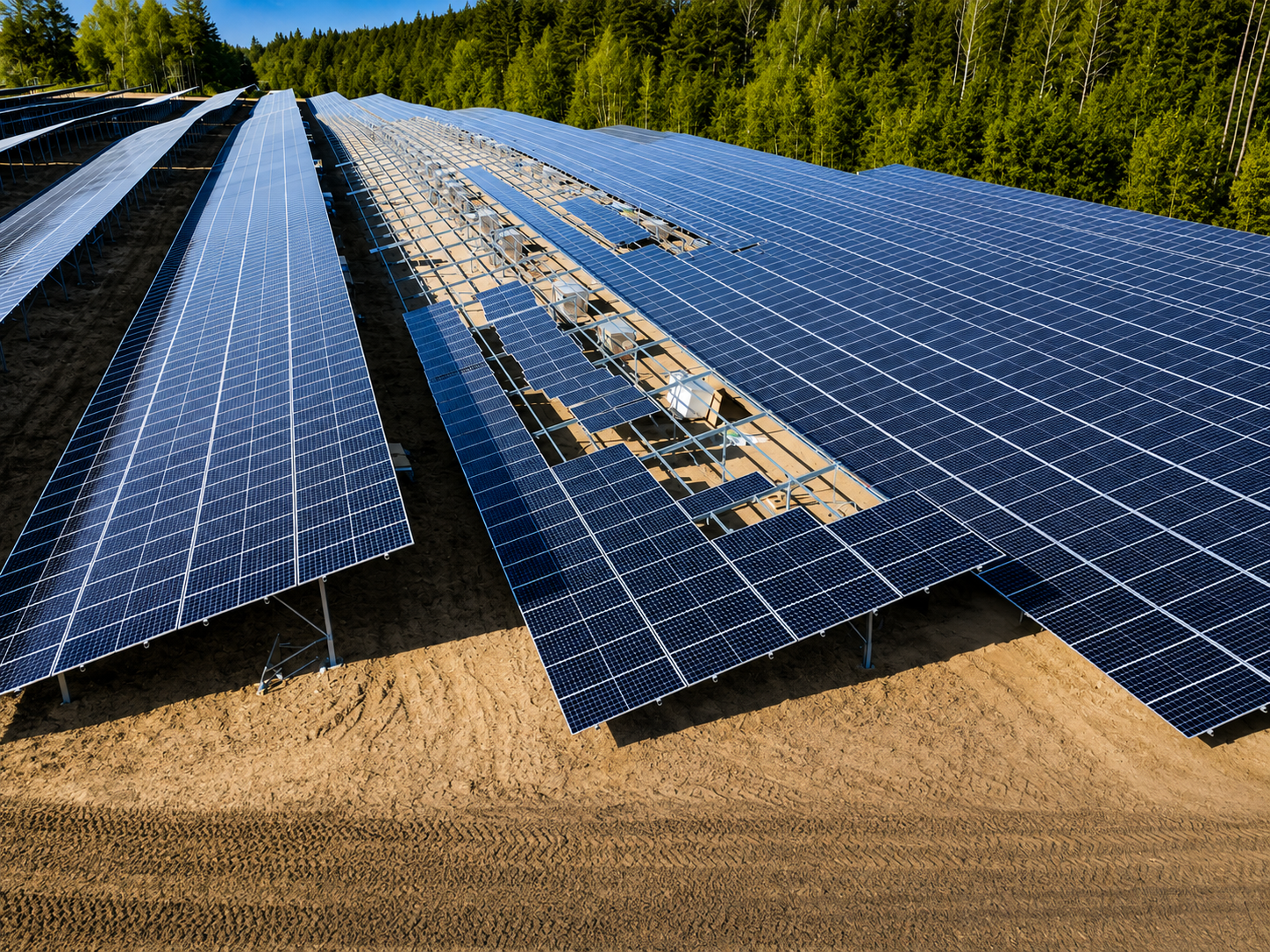
Study, sizing and deployment of photovoltaic solutions adapted to site requirements.
WOLDIUS supports companies, institutions and major projects in the study, sizing, installation, operation and maintenance of energy infrastructure adapted to real operating conditions.
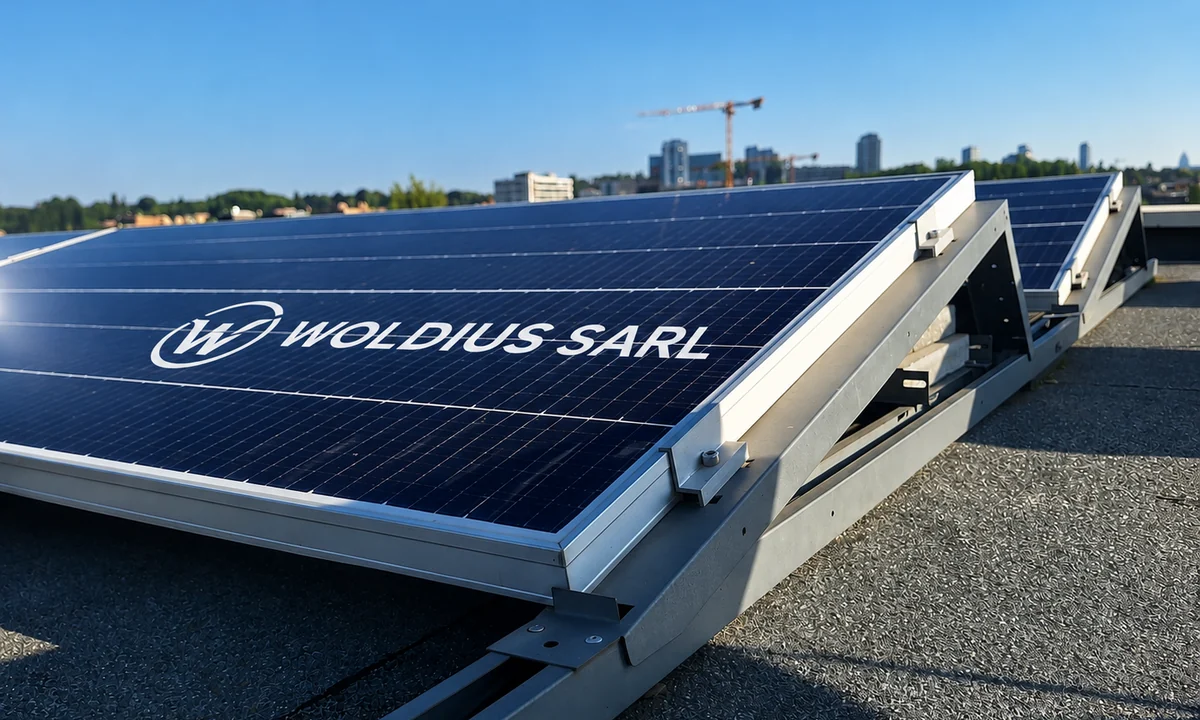
Study, sizing and deployment of photovoltaic solutions adapted to site requirements.
Design and integration of electrical installations for companies, institutions and infrastructure projects.
Monitoring, maintenance and optimisation to ensure continuity, safety and energy performance.
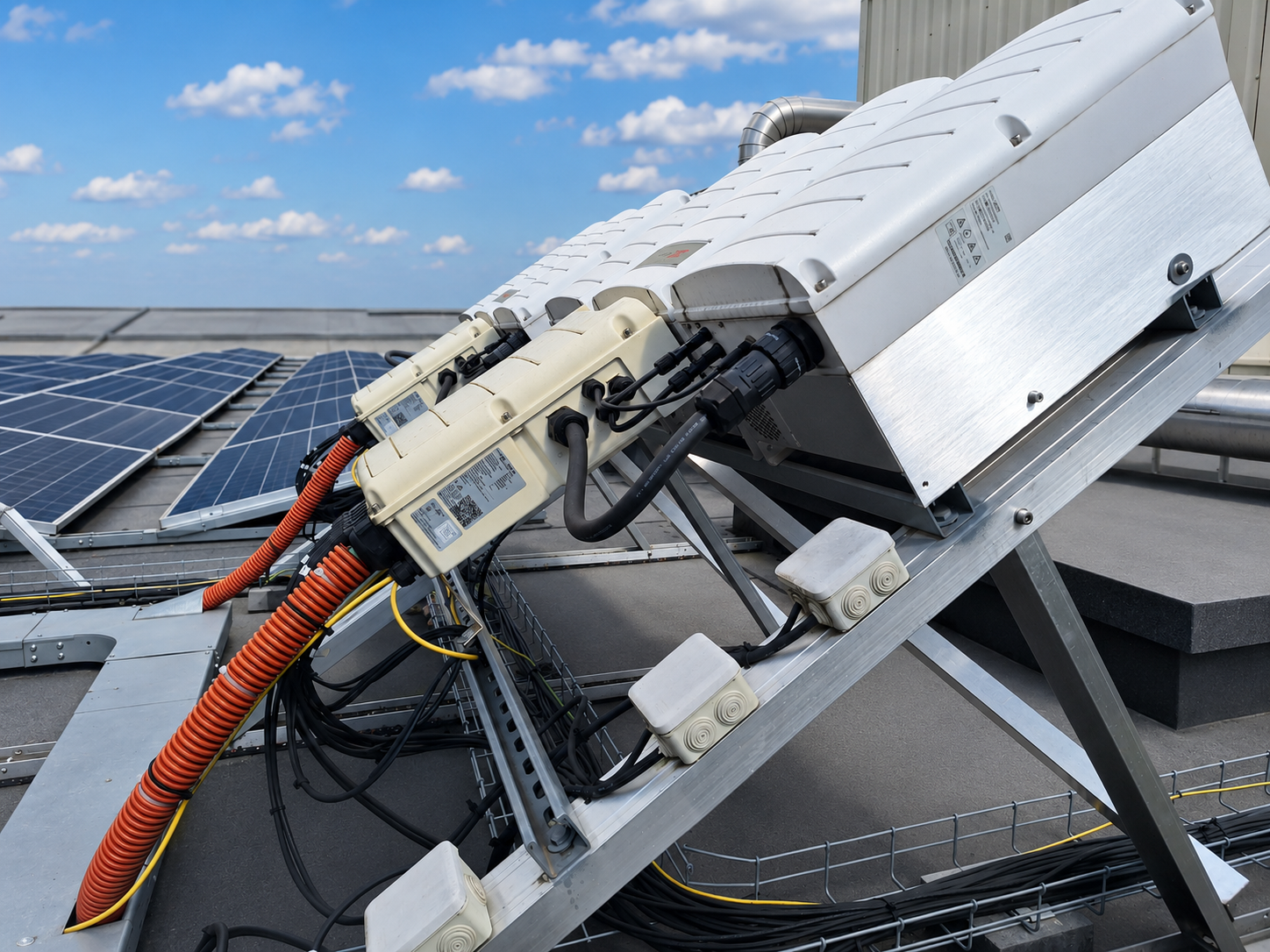
Each project is assessed according to consumption, site constraints, the operating environment and availability targets.
High-performing energy infrastructure depends on the quality of the entire chain: photovoltaic generation, conversion, distribution, connection and maintenance.
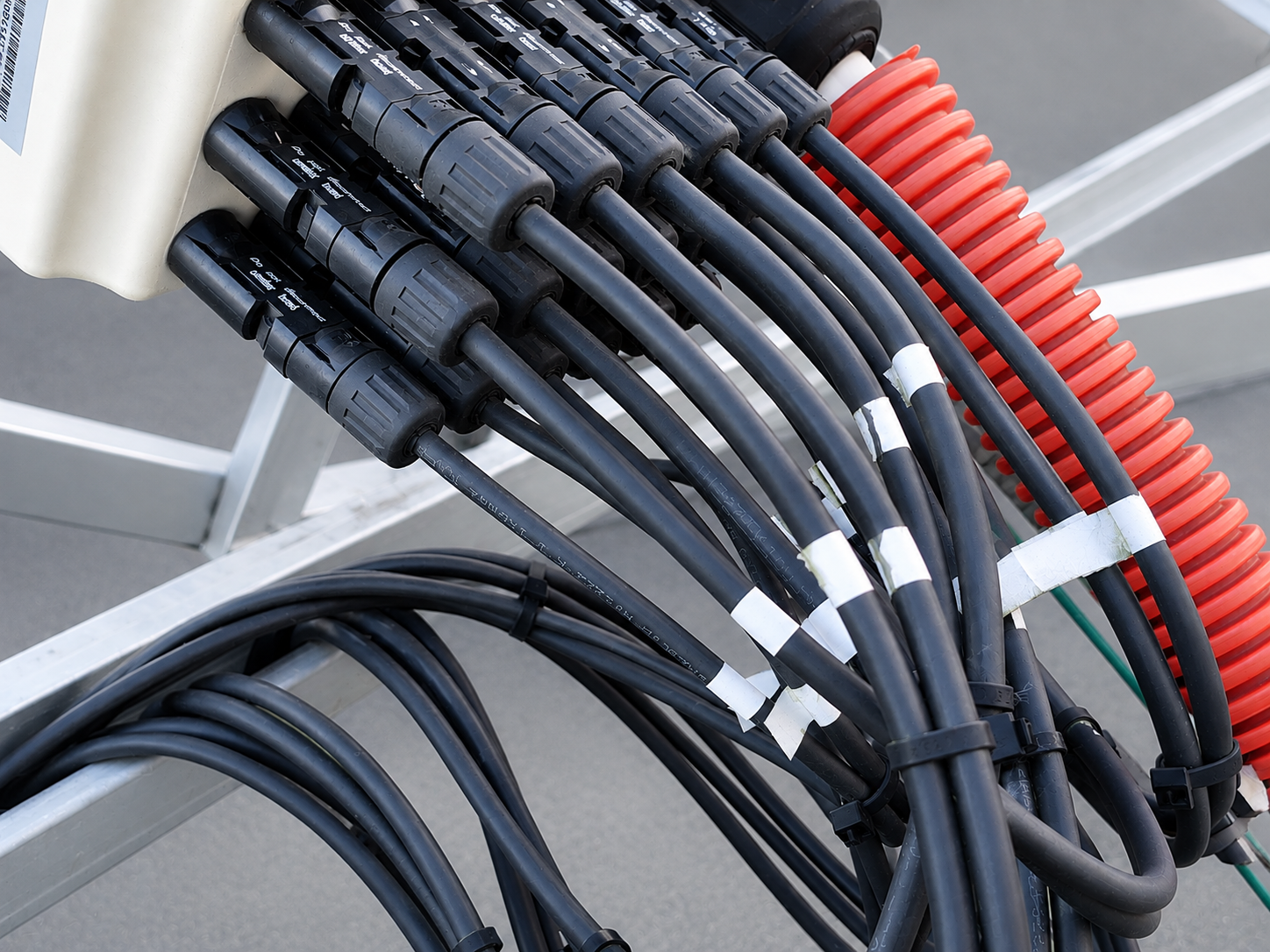
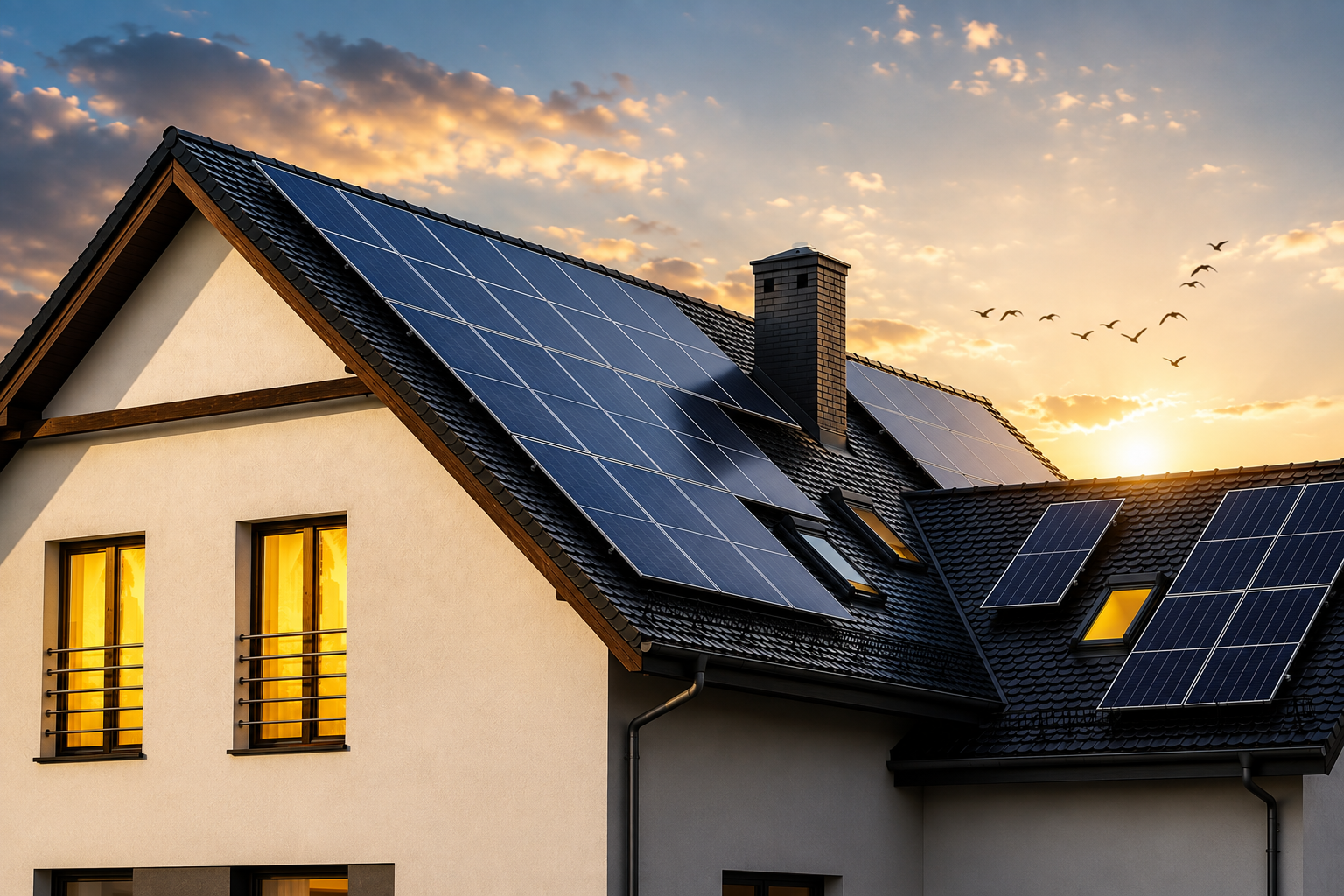
An interactive representation of provincial solar potential to support the analysis, sizing and planning of energy infrastructure in the Democratic Republic of the Congo.
Indicative values intended for territorial assessment. WOLDIUS feasibility studies incorporate site data, consumption profiles, grid constraints and operating conditions.
WOLDIUS supports companies, institutions and infrastructure operators in assessing energy performance, identifying losses and defining technical investments adapted to real operating conditions.
FROM EXISTING CONDITIONS TO MEASURABLE PERFORMANCE.Understand the installation and its uses.
Collect actual energy data.
Identify losses, drifts and constraints.
Prioritize high-value actions.
Implement the selected solutions.
Track performance over time.
Identify consumption, losses, drifts and equipment that negatively affect infrastructure performance.
Prioritize technical actions and direct investments toward the most relevant improvements.
Connect audits with monitoring, maintenance and CMMS to preserve performance gains over time.
Expertise developed in the DRC to support the energy performance of infrastructure across Africa.
Analysis of requirements, technical constraints, environmental conditions and operating context.
Sizing, technology selection and definition of a coherent energy architecture.
Installation, integration and commissioning with performance checks.
Maintenance, monitoring and optimization to preserve availability and efficiency.